A citywide observance honoring the legacy, impact, and future of Black education in New Orleans.
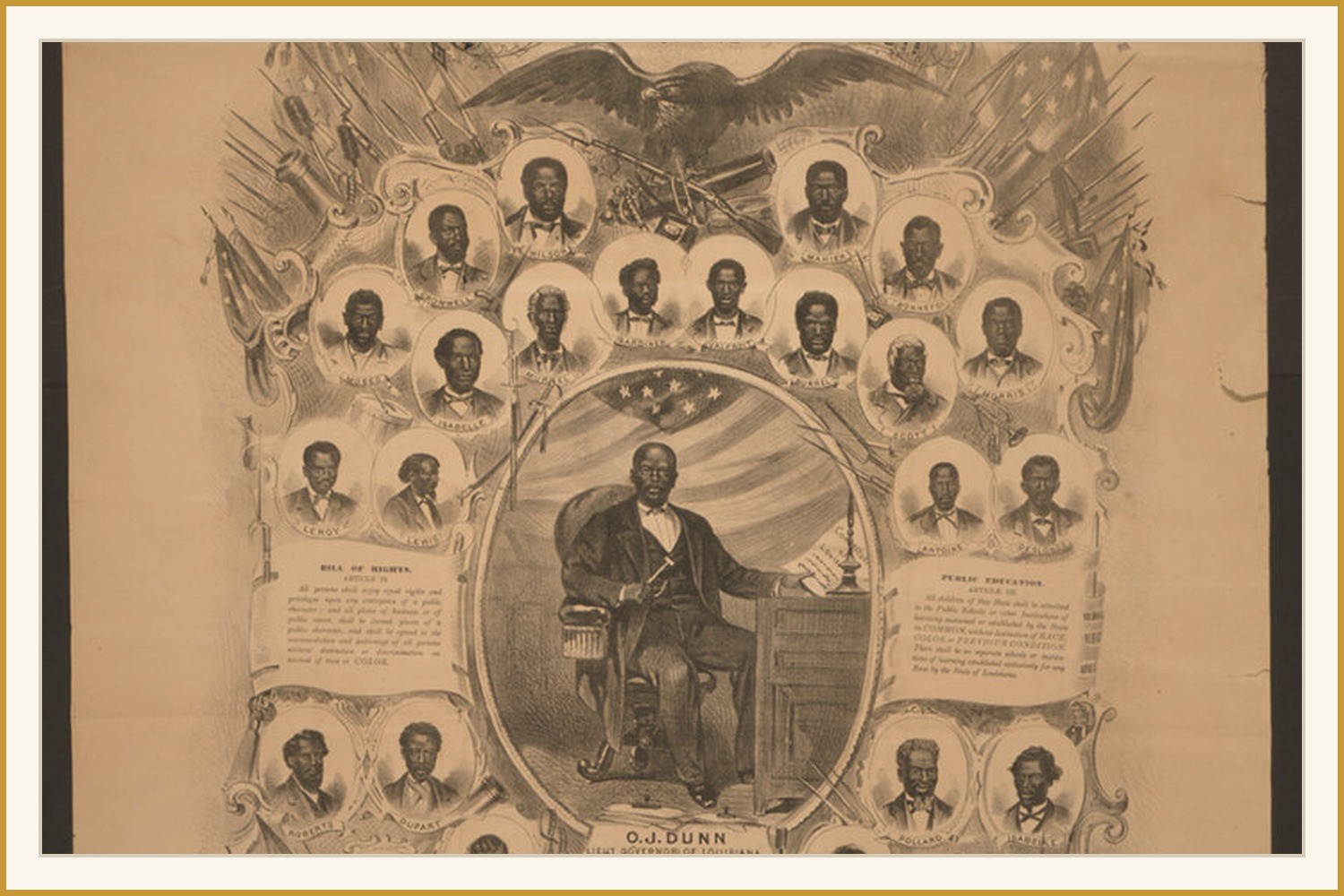
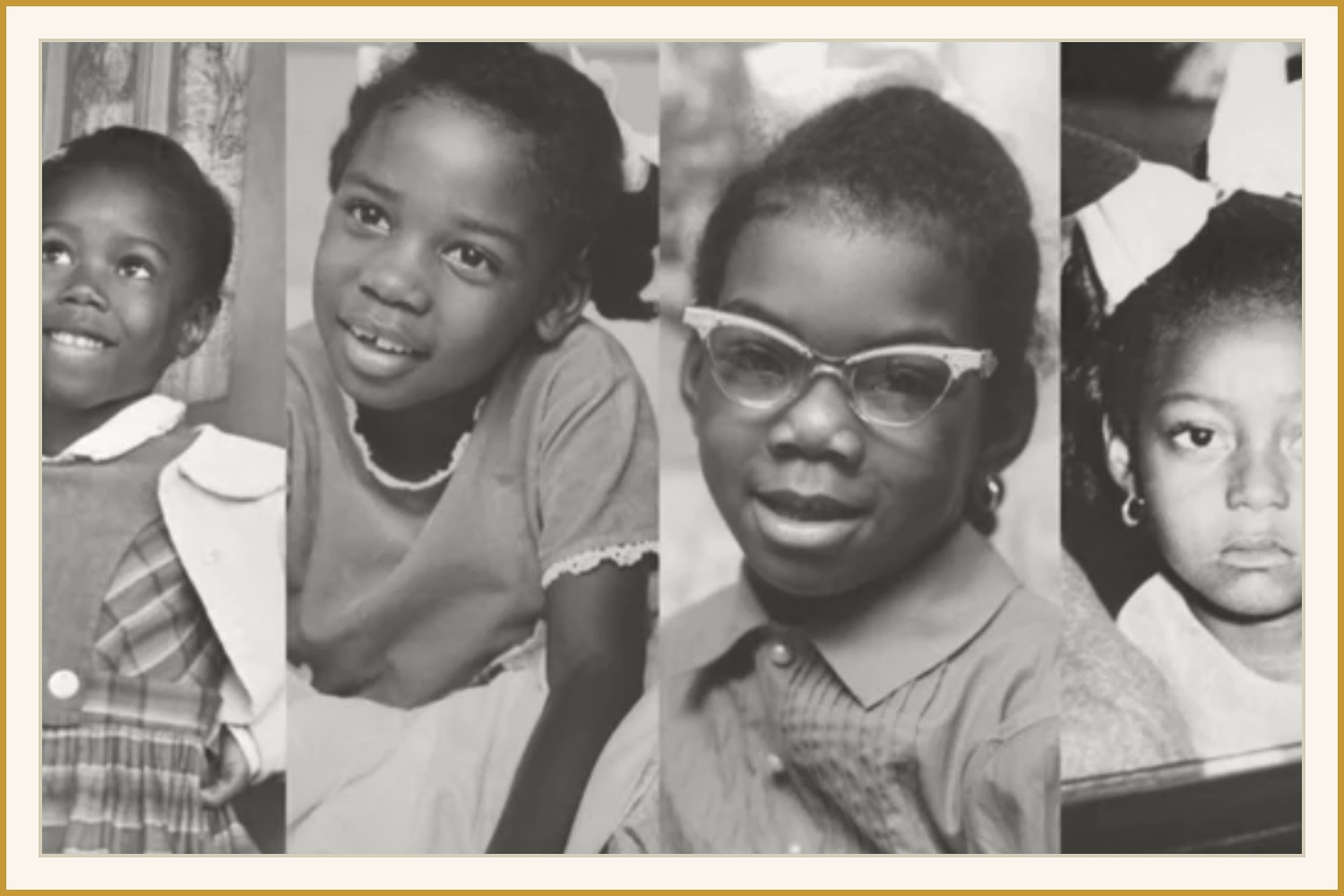
New Orleans holds one of the most remarkable educational legacies in this country. Long before the law required it, Black New Orleanians built their own schools. They wrote free public education into the state constitution. They challenged segregation in the courts. They sent four six-year-old girls to school and changed the course of American history. That is not a story set aside for some of us. Understanding it makes anyone who lives here more rooted in the place they live, work, vote, teach and learn. For one week each November the whole city gathers to tell this story, teach it, and carry it forward.
A century ago, Carter G. Woodson created Negro History Week and gave the country Black History Month. In 2026, New Orleans picks up where he left off — in the city where Black educational self-determination runs deepest.
As America turns 250, New Orleans is ready to tell a story that leaves nobody out of the room. What happens here has always traveled — 1896, 1960, 2005. The first observance of its kind is a signal too: the country's future is ours to shape.
Every November, this city will stop to teach its children about the shoulders they stand on — so that every child in New Orleans grows up knowing the brilliance they come from is their own.
BE NOLA's Five Pillars of Black Educational Brilliance came out of years of practice alongside Black educators. They describe how this city has ignited our children's brilliance for generations: in classrooms, yes, and also in kitchens, on the water, in church basements, at second lines. This week, we will learn, celebrate, and practice these pillars together.
.jpg)
Creating spaces where students see themselves reflected and valued.
Rigorous yet supportive learning environments rooted in care.
.jpg)
Culturally relevant learning experiences connected to students’ lives and communities.
.jpg)
Cultural transference and connection to the history and traditions of of New Orleans.
.jpg)
Social consciousness and awareness of how systemic inequities are historically derived.
One of the most consequential education legacies in the country runs through this city. This is not just a history of what was done to Black New Orleanians - it is also a story of what they did for themselves.
The full slate of activities happening during the week, filterable by Pillar. Check back often. New activities are still being added.
The week opens with a block party vibe — featuring the the Living Curriculum gallery, a vendor village, DJs, spades, and food trucks. Come for an hour or stay for the vibes. Bring the whole fam.
Students rotate through interactive activities exploring topics including robotics and technology, force and motion, renewable energy, structures and engineering, environmental science (levees and flooding), magnetism and electricity, and other culturally and environmentally relevant STEM topics
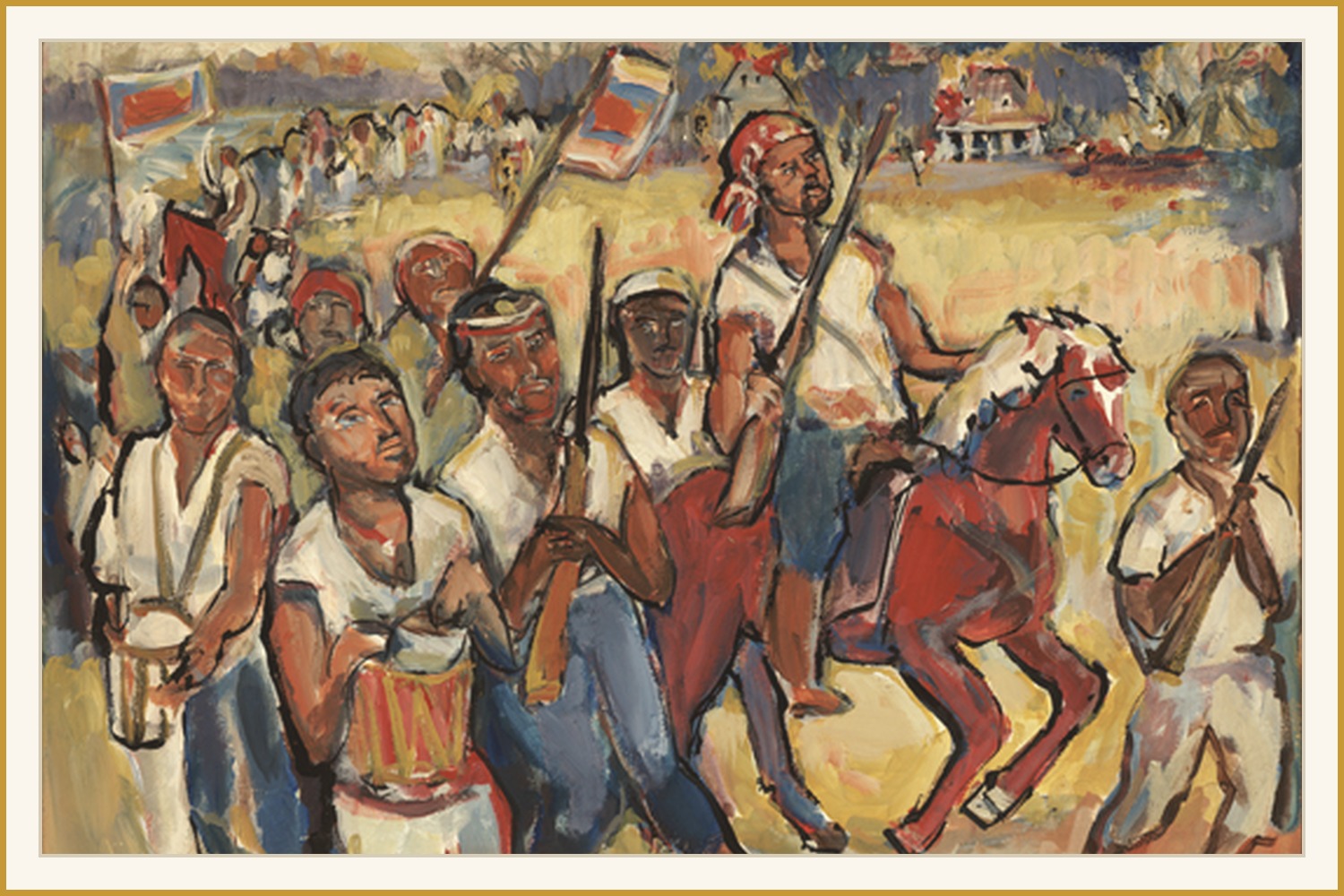
An immersive, education-forward presentation on the 1811 German Coast Uprising — the largest revolt of enslaved people in U.S. history — connecting students to Louisiana's legacy of Black resistance and self-determination.
A screening of The New Orleans Legacy Project docuseries (hosted by Sunni Patterson) honoring the New Orleans Four — Leona Tate, Gail Etienne, Tessie Prevost, and Ruby Bridges — with a talkback.
The Community Gallery is open to the public every afternoon. The gallery features a timeline wall, reading nook and five stations for each Black education pillar. Come for ten minutes or stay the afternoon.
An immersive, education-forward presentation on the 1811 German Coast Uprising — the largest revolt of enslaved people in U.S. history — connecting students to Louisiana's legacy of Black resistance and self-determination.
A live brass-band parade into the school auditorium led by master storyteller and Baby Doll tradition-bearer Denise Augustine, tracing the living history of New Orleans brass-band and second-line culture — history students clap, question, and feel.
The Community Gallery is open to the public every afternoon. The gallery features a timeline wall, reading nook and five stations for each Black education pillar. Come for ten minutes or stay the afternoon.
An evening of real argument over pizza and a cold one. Participants take on hot topics related to education and beyond, with room to disagree. For anyone who has opinions and wants to test them out loud.
An immersive, education-forward presentation on the 1811 German Coast Uprising — the largest revolt of enslaved people in U.S. history — connecting students to Louisiana's legacy of Black resistance and self-determination.
A screening of The New Orleans Legacy Project docuseries (hosted by Sunni Patterson) honoring the New Orleans Four — Leona Tate, Gail Etienne, Tessie Prevost, and Ruby Bridges — followed by a talkback with New Orleans Four member Gail Etienne.
Students rotate through interactive activities exploring topics including robotics and technology, force and motion, renewable energy, structures and engineering, environmental science (levees and flooding), magnetism and electricity, and other culturally and environmentally relevant STEM topics.
A guided wellness experience blending West African tradition, breathwork, frequency science, and collective sound (Lion's Breath, the Ashe Circle, group OMs) to reduce anxiety and build cultural pride and community. Works for any group size.
The Community Gallery is open to the public every afternoon. The gallery features a timeline wall, reading nook and five stations for each Black education pillar. Come for ten minutes or stay the afternoon.
An immersive, education-forward presentation on the 1811 German Coast Uprising — the largest revolt of enslaved people in U.S. history — connecting students to Louisiana's legacy of Black resistance and self-determination.
A hands-on field trip into the Indigenous roots of New Orleans ('Bulbancha — place of many tongues'). Students rotate between a United Houma Nation elder's craft session with the National Park Service and the Historic New Orleans Collection, hearing a Chitimacha story and viewing Native artifacts unearthed beneath the French Quarter.
A live brass-band parade into the school auditorium led by master storyteller and Baby Doll tradition-bearer Denise Augustine, tracing the living history of New Orleans brass-band and second-line culture — history students clap, question, and feel.
An embodied 'walk' on the German Coast — site of the 1811 uprising. Students move through the land and building where the revolt started, surfacing histories of Indigenous and African labor, surveillance, and resistance, closing with a reflection/mapping exercise.
The Community Gallery is open to the public every afternoon. The gallery features a timeline wall, reading nook and five stations for each Black education pillar. Come for ten minutes or stay the afternoon.
A film screening and conversation presented with Baldwin & Co., pairing what's on the screen with what's on the shelf. Books available on site, discussion after.
Students rotate through interactive activities exploring topics including robotics and technology, force and motion, renewable energy, structures and engineering, environmental science (levees and flooding), magnetism and electricity, and other culturally and environmentally relevant STEM topics.
A 15–20 minute guided wellness experience blending West African tradition, breathwork, frequency science, and collective sound (Lion's Breath, the Ashe Circle, group OMs) to reduce anxiety and build cultural pride and community. Works for any group size.
An embodied 'walk' on the German Coast — site of the 1811 uprising. Students move through the land and building where the revolt started, surfacing histories of Indigenous and African labor, surveillance, and resistance, closing with a reflection/mapping exercise.
The Community Gallery is open to the public every afternoon. The gallery features a timeline wall, reading nook and five stations for each Black education pillar. Come for ten minutes or stay the afternoon.
The last night of the gallery, and the last night of the week. A conversation and audience Q&A with Black education scholars, a music selection, happy hour and light bites, and the door open to anyone in the neighborhood who wants to walk in.
Through the late 1980s, a coalition of Black organizers and activists pressed the Orleans Parish School Board to teach a curriculum that reflected the students in front of it. Africa Rising | New Orleans Public School's Africana and Multicultural Studies Unit, established in the early 1990s, was what that organizing won — a department charged with making the curriculum reflect the history, culture, and lives of the students sitting in the classrooms.
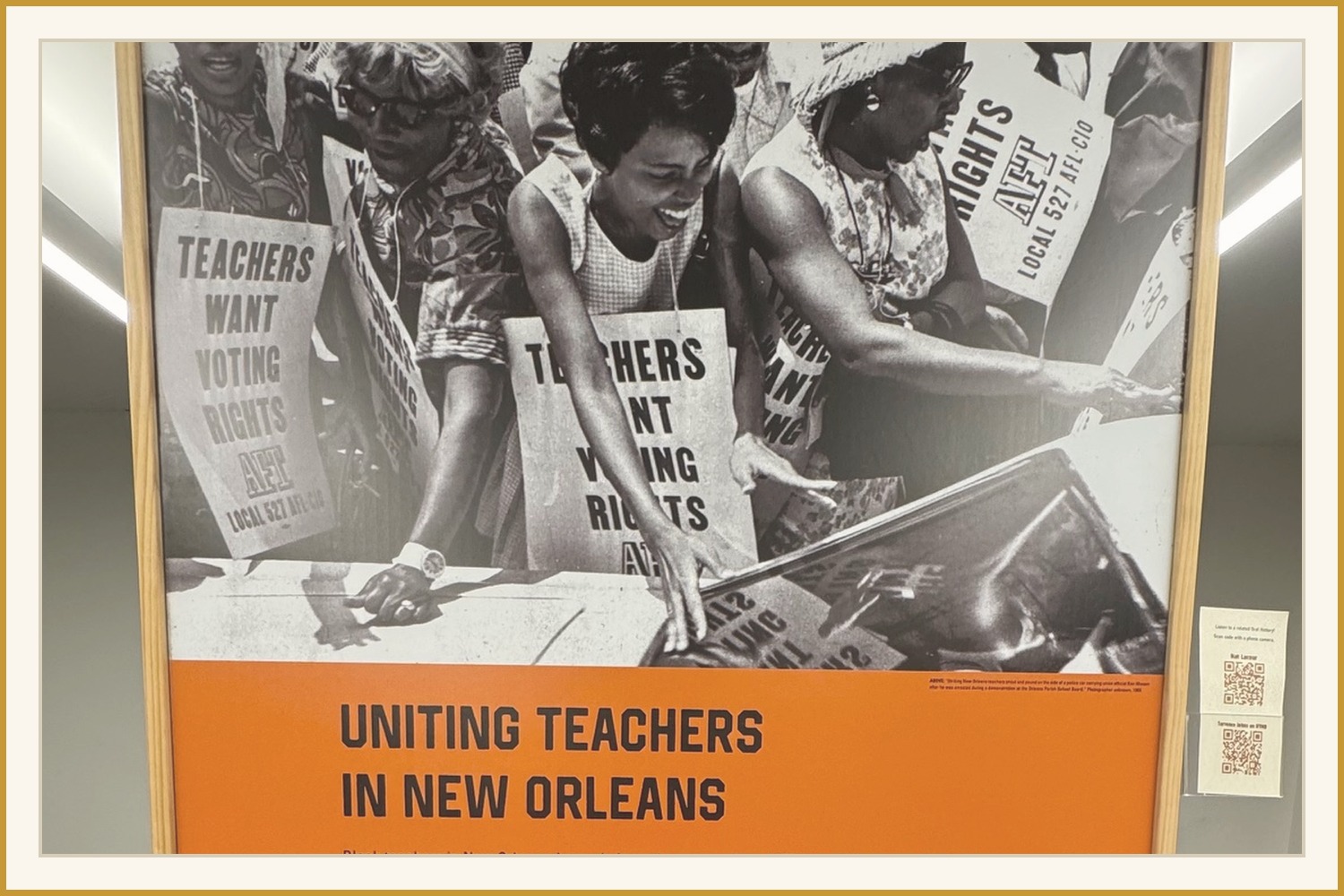
In 1973, New Orleans college students demanding a curriculum that served their own people stopped waiting and built one. Ahidiana Work/Study Center taught reading and math alongside Nguzo Saba, Kujichagulia, Kwanzaa, and African Liberation Day. Its founders, reading Malcolm X and Fanon, believed education had to do more than transmit facts — it had to connect children to their culture and equip them to change their conditions.
A Sister of the Blessed Sacrament, Grace Pilon spent her career at Xavier University of Louisiana, where she created Workshop Way and trained generations of teachers in it — a system built on the conviction that no child should ever experience failure in a classroom. Her work reached beyond campus into community learning centers across the city, including Oretha Castle Haley's The Learning Workshop
From the Historic New Orleans Collection, three lessons built on the recorded voices of local civil rights leaders: Stories of Resistance, Young Leaders of New Orleans, and Integrating McDonogh 19. Students work with primary and secondary sources side by side. Lesson plans are aligned to Louisiana state standards.
Middle and high schoolers learn what an archive is by working in one. Built from the Amistad Research Center's own collections, the curriculum introduces students to cultural history and historical preservation through documents, photographs, and records they can handle and question themselves.
It began when students at McDonogh 35 decided to build what they wanted to learn. Three decades later, the archive holds books written by New Orleans public school students on mass incarceration, educational equity, and neighborhood history — produced in classrooms where young people sit in circles and treat their own lives as a text worth studying. Jim Randels and Kalamu ya Salaam co-directed it for 15 years, seeding Bard Early College.
Here's how you can help make the inaugural New Orleans Black Education History Week a success.
For media and press inquiries contact Lindsey Walker at lindsey@walkerassocmediagroup.com.